Agrotechnics
Intensive garden in the mountainous region
Strategies for agrotechnical solutions that are safe and economical for altitude, wind, and cold.
Creating a productive and sustainable orchard at an altitude of 571 metres involves agro-technical, economic, and security factors.
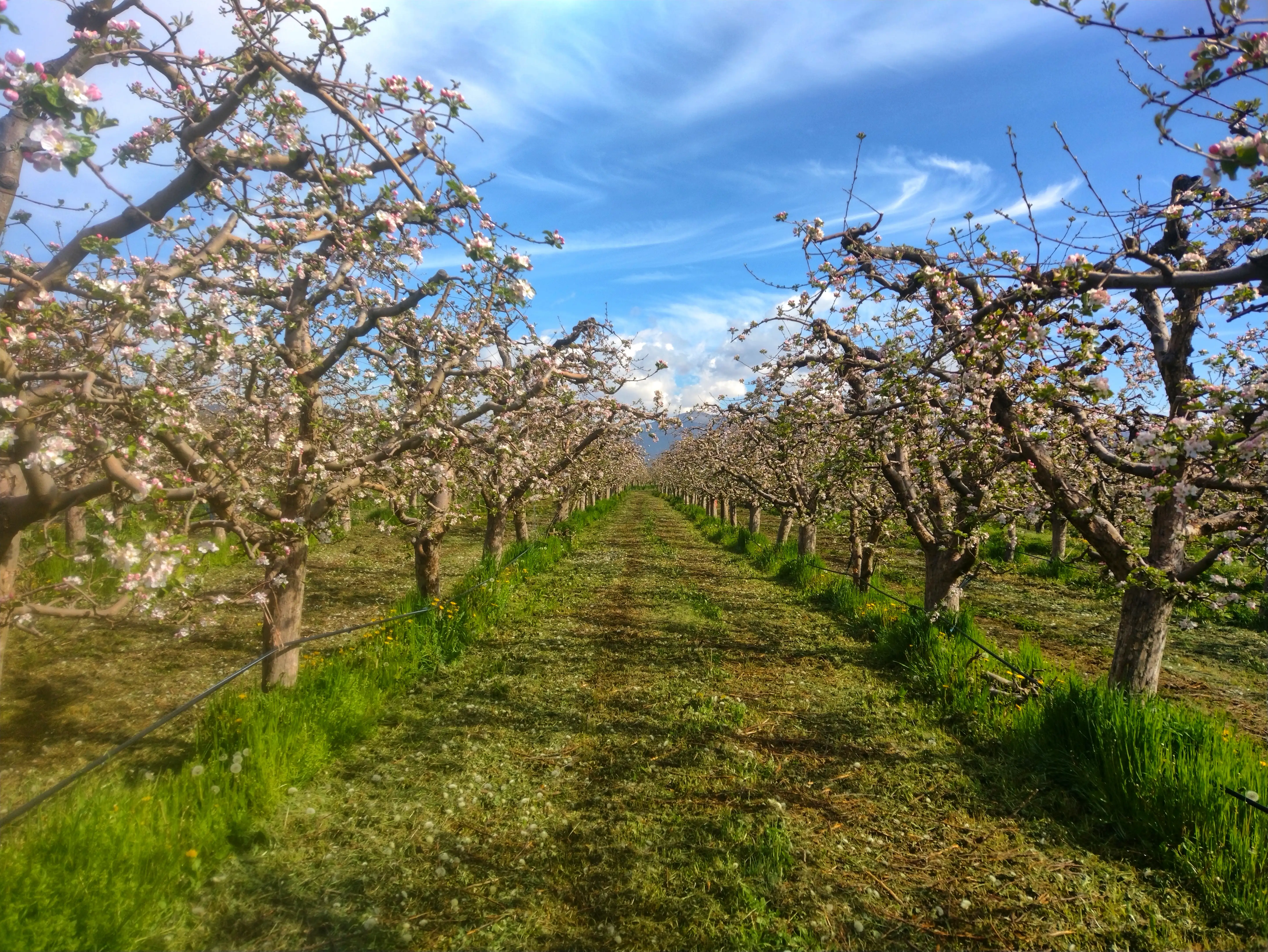
Establishing an intensive orchard in mountainous agro-climatic conditions begins with selecting the site: a south-southwest exposure, a slope of 3–8%, and planting rows that align with the prevailing wind direction—ensuring they do not obstruct cold air flows. The soil profile must be free from toxic salinity and possess a granularity that allows for rooting depth of up to 0.8–1.2 m. To reduce erosion, cover crops (rye, barley, clover) are introduced along the rows; they enhance rainwater infiltration and restore humus balance.
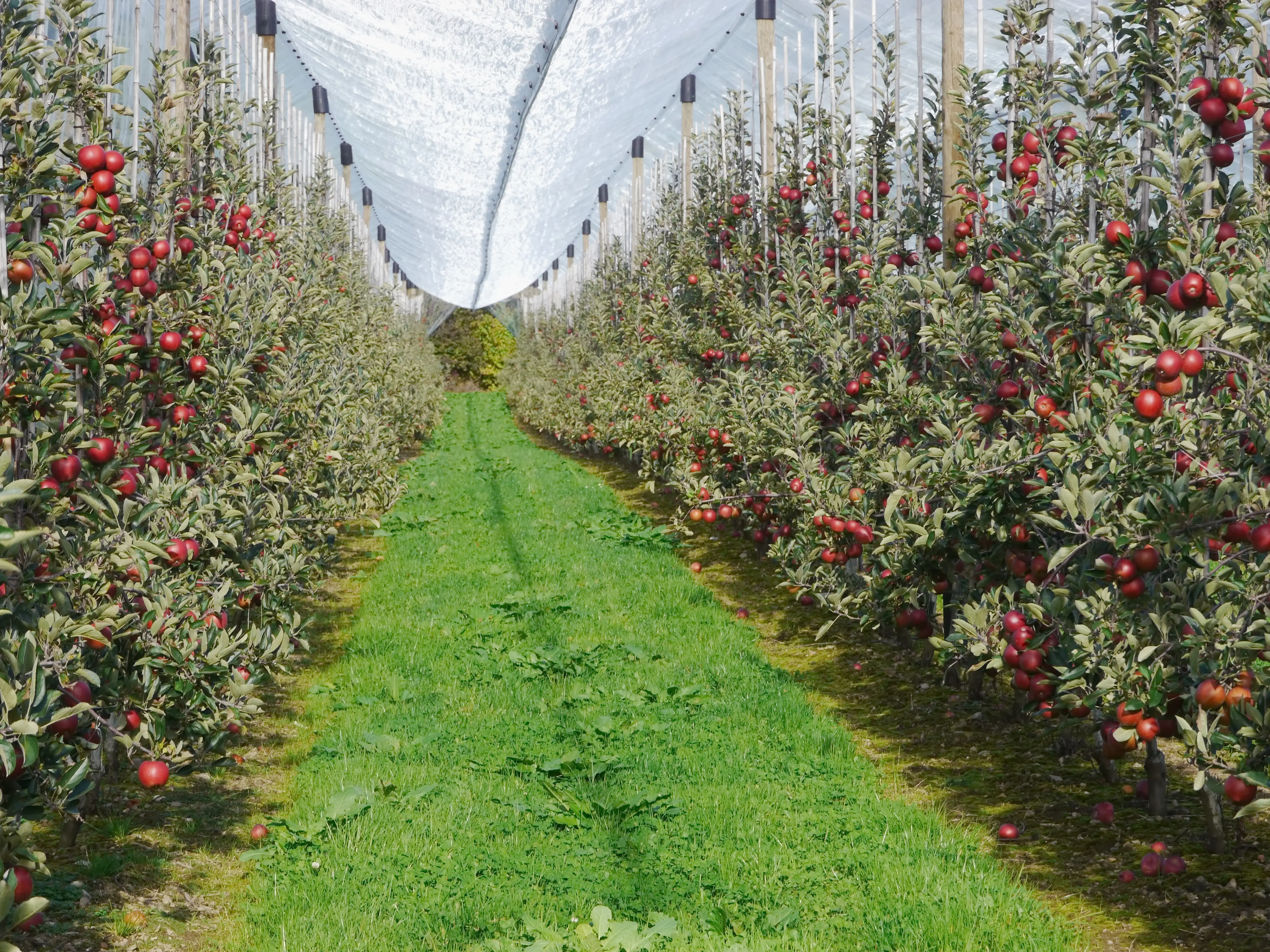
The density depends on the grafting variety: cherry/peach at 4 × 2.0–2.5 m, pear at 4.5–5 × 2–2.5 m; two rows of fast-growing trees are placed as a windbreak. Measures against late frost—micro-sprinklers, ventilators, and smoke generators—are activated according to phenophase. The mechanization corridors should be 3–3.2 m, and the drainage and road infrastructure must be able to accommodate a seasonal load of 100 t/ha. These approaches stabilize the quality of the yield and reduce service costs.