Welding and joining
Selection of varieties suitable for the climate
Chilling, the ability to withstand heat, the strategy and planning criteria for entering the market.
Guide to selecting varietal pairings suitable for the climate, soil and market requirements for cherries, apricots, peaches and pears.
The selection is based on three criteria: agroclimate (cold hours, summer heat, wind), soil-chemistry (pH, limestone, salinity) and market (ripening window, colour, Brix, firmness). For example, grafts resistant to chlorosis in high-limestone soils; late-flowering varieties are preferred in areas with a high risk of frost.
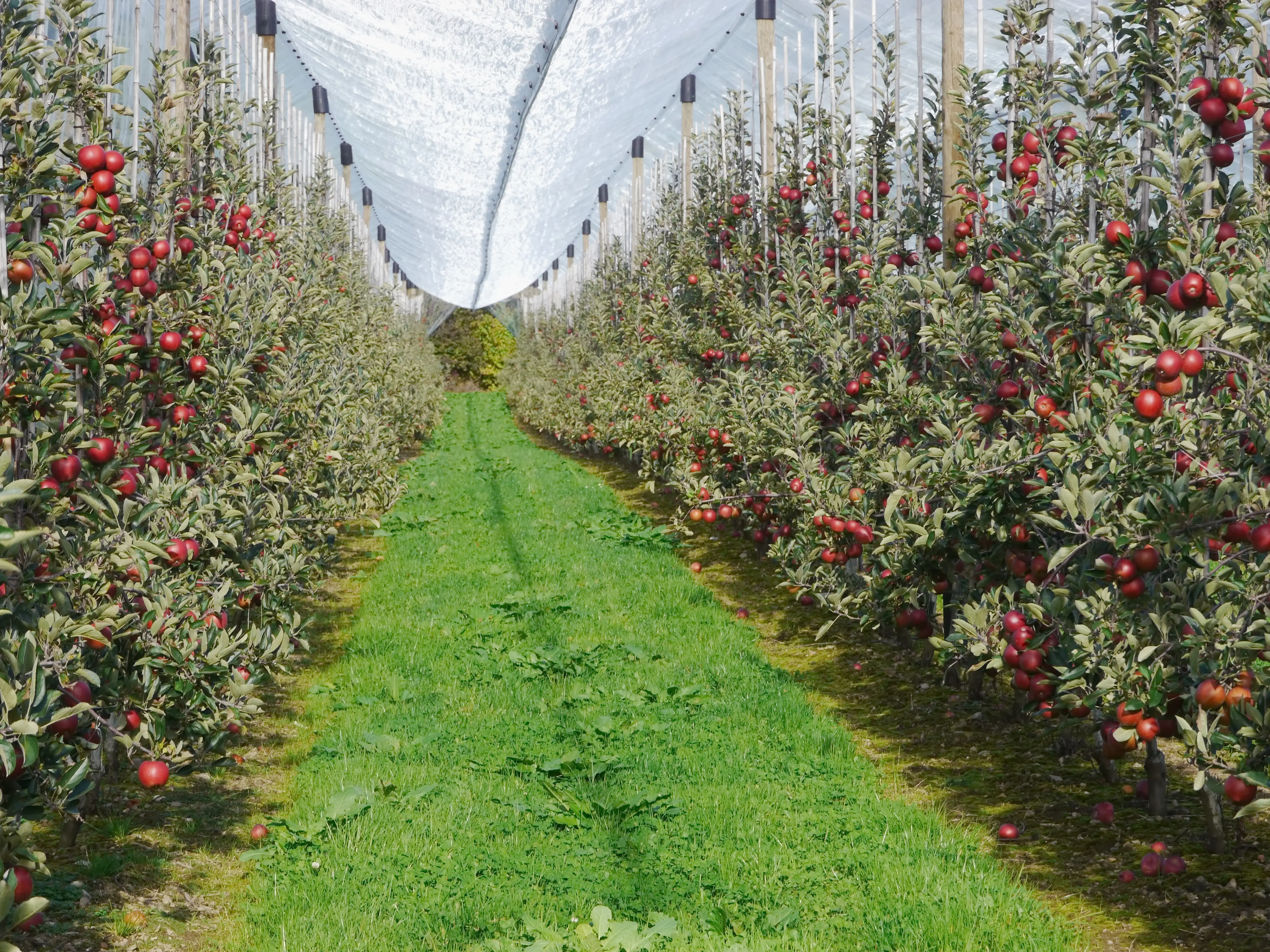
A gradient of 'early-mid-late' is established to extend the harvest; pollinators are matched according to flowering phenology (at a ratio of 3:1 or 4:1). Dwarf/bush grafts allow for dense planting and early fruiting but require precise management of irrigation and nutrition. For large buyers, a variety passport should include metrics for storage, transport tolerance, sensitivity (MRL, allergen, latex), processing and fresh consumption segments.